


Are new growths appearing on the skin?Does the doctor diagnose papilloma?What is it and how to get rid of this disease?Don't be afraid to go to the doctor.Treatment depends on the nature and type of virus.This can be either the use of drugs, surgery or cauterization of the papilloma.Modern medicine can remove any type of tumor and help prevent disease recurrence in the future.
Causes of papillomas
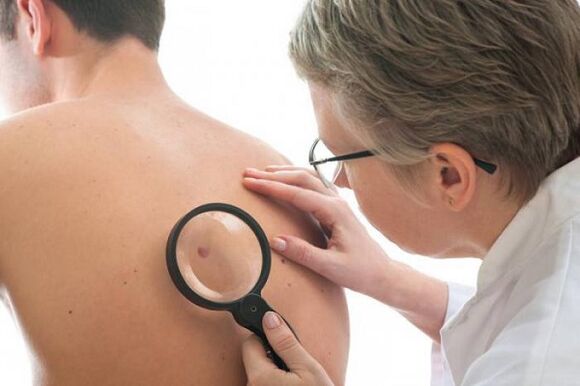
Have you heard the diagnosis of papilloma?What is this and why is it a problem for you?Microtraumas, touch, sexual intercourse and even childbirth - all these can be factors of infection with the papillomavirus genus.The incubation period, during which the disease is not apparent, can be either a month or six months.This virus causes the formation of benign tumors that look like warts.
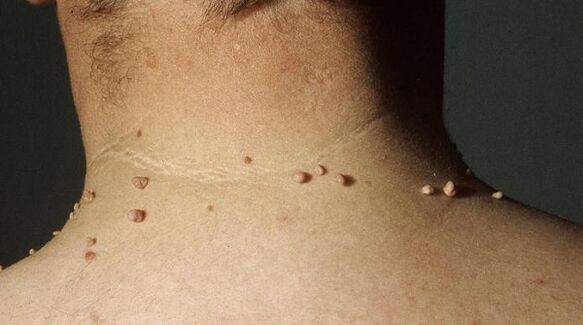
Almost everyone knows what a papilloma looks like, because this disease is one of the most common skin problems faced by adults and children.Over time, growth can increase in both size and number.However, it happens that papillomas remain almost invisible, flat and few in number.
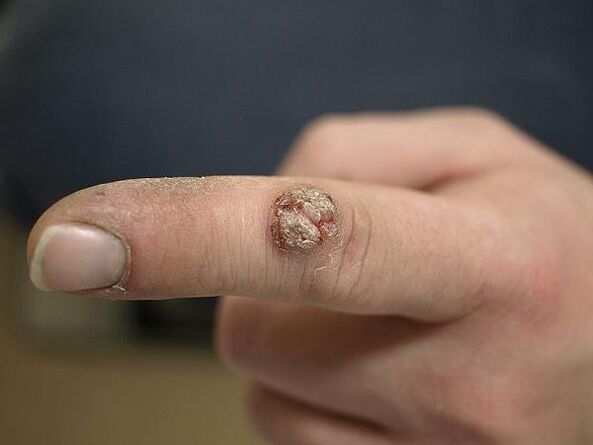
The cause of this neoplasm is often the human papillomavirus.This is what causes changes in tissue growth, affects mucous membranes, and causes significant discomfort in everyday life.Doctors distinguish more than a hundred types of viruses, which can only be identified by specialists.
Risk zone
Human papillomavirus, which causes the appearance of neoplasms, most often attacks people with a weak immune system.Often these are children and adolescents whose immune system is weak during active growth.Smoking, alcohol abuse, promiscuity - all these bad habits can also be factors in the development of this disease.Since the virus is relatively easily transmitted from person to person, those who regularly use other people's towels or shoes and do not follow hygiene rules are also at risk.Women who take oral contraceptives for a long time also face the risk of finding papillomas of various etiologies on their body or mucous membranes.
Disease diagnosis
Papillomavirus may not be recognized for a long time, the neoplasm does not arise, and the question of whether to remove the papilloma does not arise to the person.In this case, the disease can already cause harm to health.For example, in women it can affect the genitals, including causing cervical cancer.That is why, to find out if the virus is in the body, it is necessary to regularly take a DNA test, which accurately determines what problems are in the body.
Types of papillomavirus
Modern medicine distinguishes more than a hundred types of papillomaviruses, which, in turn, are divided into groups: non-oncogenic, viruses with low oncogenicity and types with high oncogenicity.The papilloma virus, whose symptoms are often hidden from view, belongs to the latter group, can cause rectal and genital cancer in men, and can also cause cervical cancer in women.The main role here is played by timely diagnosis, which allows you to recognize the virus in time and minimize the terrible consequences for health by prescribing effective drugs for papilloma in time.
Viral papilloma
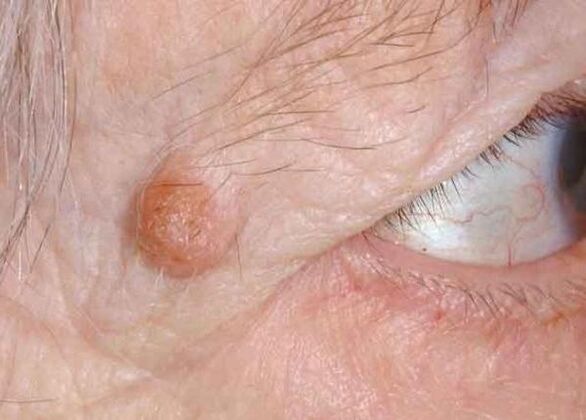
Viral papillomas often appear on the hands and other areas of the face and body.What is it and what are the dangers caused by neoplasms to health?Papilloma, which is often called vulgar, looks like a stalked wart.Sometimes the base of the benign formation is quite wide, the surface is uneven, resembling a cauliflower in appearance.Papillomas become keratinized and merge with each other, forming a relatively wide affected surface.
Viral cutaneous papillomas most often occur on the arms, under the arms, on the eyelids, under the breasts, and on the neck.The main feature of such neoplasms is that they can disappear periodically and reappear in the same place.Treatment is prescribed by a dermatologist.This may be removal of the papilloma with nitrogen or drug treatment.
Condyloma acuminata
This type of papilloma is localized in the area that is usually injured during sexual intercourse.These are the anus, the femoral-groin area, the buttocks.The shape of condyloma resembles a chicken's nest on a stalk.The peculiarity of the localization makes the neoplasm vulnerable.They are often injured, bleeding and exuding a foul-smelling liquid.
Genital warts cause pain and discomfort during sexual intercourse and can interfere with normal birth.In some cases, a giant condyloma causes great discomfort when moving, limiting a person's normal mobility, and the question of whether to remove the papilloma becomes clearly affirmative.
Flat condyloma
Regular examination by a gynecologist will help identify flat condyloma in time, a type of papilloma that is the main cause of cervical cancer.Neoplasms in the early stages can be diagnosed with biopsy and colposcopy, because it is almost impossible to detect the disease visually.
This type of papilloma also occurs in children.Traditionally, this disease is accompanied by redness, itching and pain in the affected skin.Smooth and flat cones blend in color with the skin and can be polygonal or round.
Filiform papilloma
What papilloma looks like, called filamentous, is known to 50% of the population over 50 years old.Formations appear in the groin, armpits, eyelids and neck.Small elongated yellowish bumps grow quite quickly, reach a size of about 5 mm, become injured and become inflamed.Thread-like neoplasms do not disappear by themselves.Medical intervention is required, for example, removal of papilloma with nitrogen.
Treatment methods
- Cauterization of tumors by chemical means.When using this method, the papilloma dies and a crust forms in its place, which is replaced by healthy, smooth skin within a week.To avoid the development of abnormal skin cells after removal, the procedure must be performed by a qualified doctor who will accurately determine the nature of the problem and draw conclusions about the possibilities of this technique.
- A surgical technique that involves cutting the tumor with a scalpel is performed under local anesthesia and requires a subsequent pressure bandage on the wound site.
- The safest and most modern treatment for papillomas is laser removal.This method is used on tumors of any size and at any depth and does not require long-term recovery.
- Cryodestruction (freezing) has also been well proven.Removal of papillomas with nitrogen is a painless and easy procedure to perform on neoplasms with a relatively shallow location.It is better to remove deep papillomas with other methods, because during cryo destruction it is difficult to control the tissue at depth, which can lead to incomplete removal of papillomas or the occurrence of burns.
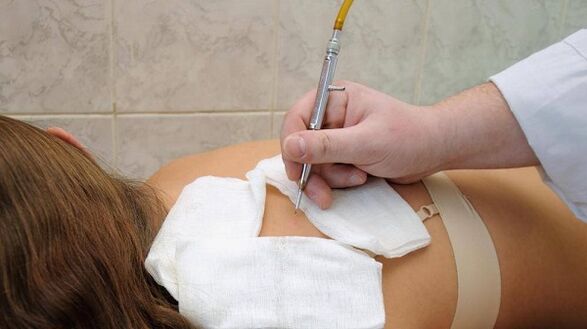
- Electrocoagulation, based on the effect of high-frequency current on the papilloma, allows you to remove relatively deep tumors.During the procedure, the protein tissue freezes, preventing infection and bleeding.Anesthesia is only used when removing large papillomas.
- High-precision removal of papilloma occurs using the method of radio wave therapy.This allows you to achieve almost perfect results, avoiding scars and burns.That is why this method is very popular to remove papillomas located on the face and other open areas of the body.You will simply forget what papillomas look like.
- In case of relapse, the above method requires complex antiviral treatment to prevent recurrence of the disease.
- Traditional methods of treating papillomas, for example, celandine or apple juice, which our grandmothers recommended to remove tumors, can only be relevant as additional drugs.

Preventive measures
Have you ever faced a problem like papilloma on the body?What is it and what is the reason for its occurrence, do you know for sure?It is worth protecting yourself with the help of preventive measures.This includes abandoning bad habits, following basic rules of hygiene, proper nutrition to keep your immunity at a high level, absence of frequent stress, and regular medical examinations.